
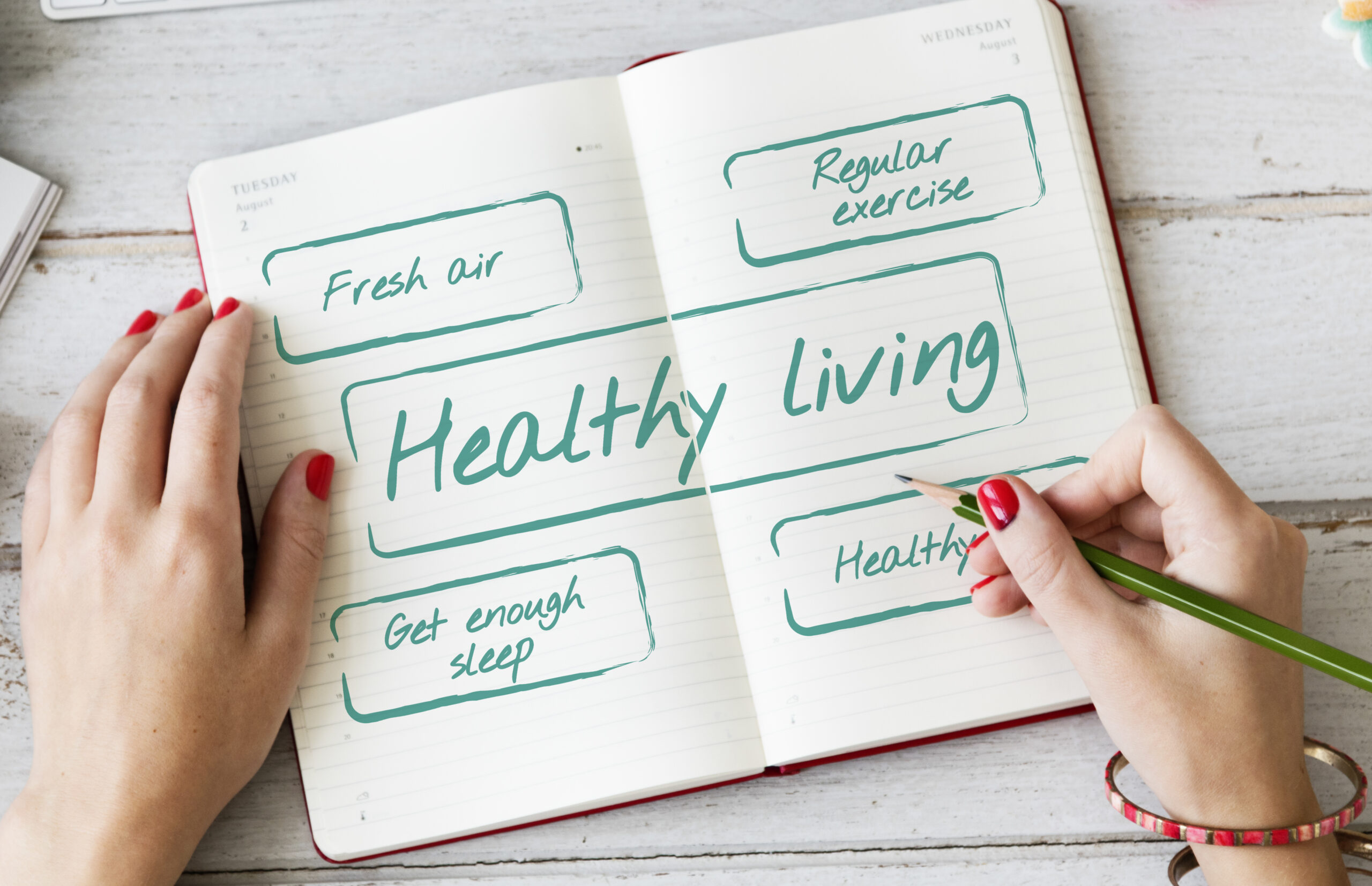
Wellness is a lifelong journey, not a destination. Whether you’re focusing on improving your
physical health, mental clarity, or emotional well-being, setting wellness goals is one of the most
powerful ways to prioritize self-care and ensure you’re living your best life. However, setting
goals alone isn’t enough—achieving them requires consistent effort, commitment, and the right
strategies to stay on track.
In this blog, we’ll guide you through the process of setting effective wellness goals, breaking
them down into manageable steps, and sticking to them for the long term. Whether your goals
are related to fitness, nutrition, stress management, or mental health, the principles we’ll
discuss can help you stay motivated, accountable, and focused on your wellness journey.
1. Define Your Wellness Goals Clearly
The first step in setting wellness goals is to define them clearly. Vague goals like “get healthy” or
“feel better” are too broad and leave room for ambiguity. Instead, make your goals specific,
measurable, and time-bound.
SMART Goals:
A popular framework for goal-setting is the SMART criteria, which ensures your goals are:
• Specific: Clear and detailed, answering who, what, where, when, and why.
• Measurable: You can track progress and know when you’ve achieved the goal.
• Achievable: The goal is realistic, considering your current situation and resources.
• Relevant: It aligns with your overall values and wellness priorities.
• Time-bound: It has a clear deadline for completion.
For example, instead of saying, “I want to be more active,” set a SMART goal: “I will walk 10,000
steps every day for the next 30 days.” This goal is specific, measurable, achievable, relevant, and
time-bound, giving you a clear target to work towards.
2. Break Down Big Goals into Smaller, Manageable Steps
Big wellness goals can feel overwhelming, especially if they require significant lifestyle changes.
Breaking them down into smaller, more manageable steps is key to staying motivated and
avoiding burnout.
Let’s say your goal is to lose 20 pounds in 3 months. Instead of focusing solely on the final
outcome, break it down into weekly or even daily actions. You could set smaller goals like:
• Week 1: Track food intake and identify areas for improvement.
• Week 2: Start exercising 3 times per week for 30 minutes.
• Week 3: Reduce sugar consumption by 50%.
• Week 4: Add more vegetables to every meal.
By focusing on these incremental changes, you’ll start to see progress without feeling
overwhelmed by the larger goal. Every small win will build momentum, keeping you engaged in
the process and on track for long-term success.
3. Make Your Wellness Goals a Habit
One of the most effective ways to stick to your wellness goals is to make them a part of your
daily routine. When goals become habits, they no longer feel like a chore—they become an
automatic part of your lifestyle.
Start by choosing one or two wellness goals to focus on at a time and make them nonnegotiable. For instance, if your goal is to drink more water, set a specific time each day to drink
a glass or bottle of water, like right after waking up or before every meal. By attaching the goal
to an existing routine, it becomes easier to remember and stay consistent.
Using habit-tracking apps or journals can also be helpful in building routines. These tools allow
you to visually track your progress, which reinforces the habit and encourages you to stay
committed. Over time, as the goal becomes ingrained in your routine, it will require less effort
to maintain.
4. Set Realistic Expectations and Be Flexible
While setting ambitious goals is great for motivation, it’s important to stay realistic about what
you can achieve in a certain time frame. If you set overly lofty expectations, you may set
yourself up for disappointment if things don’t go as planned. Remember, wellness is a long-term
process, and progress often happens gradually.
Adjusting Goals as Needed:
Life is unpredictable, and obstacles will arise. Maybe your schedule changes, or an injury or
illness sets you back. Instead of giving up on your goal, adjust it to fit your new circumstances.
For example, if your goal was to run 5 miles every day but you’ve sustained an injury, modify it
to walking or swimming until you’re healed.
Being flexible and allowing yourself room for adjustment is key to staying motivated. Wellness
goals should enhance your life, not add stress. If you miss a workout or indulge in a treat, don’t
let it derail your progress. Instead, acknowledge it, learn from it, and get back on track the next
day.
5. Find Your “Why” to Stay Motivated
Having a strong, emotional reason behind your wellness goals is essential for staying motivated.
If your goals are simply about achieving an outcome (like losing weight or building muscle), it’s
easy to lose sight of them when progress feels slow. However, if your goals are tied to deeper
values or personal motivations, you’ll be more likely to stay committed.
Ask yourself: Why do I want to achieve this goal?
Your “why” could be something like:
• “I want to feel stronger and more energetic to keep up with my kids.”
• “I want to reduce my stress levels so I can be more present in my work and
relationships.”
• “I want to improve my mental health and feel more confident in my body.”
When you tie your wellness goals to something meaningful, you’ll have a deeper sense of
purpose and connection to the goal itself. This makes it easier to push through challenges and
stay on track, even when you feel discouraged.
6. Track Your Progress and Celebrate Wins
Tracking your progress is essential for maintaining motivation and seeing how far you’ve come.
When you can see tangible evidence of your efforts, it reinforces the belief that your goals are
achievable and boosts your confidence.
How to track your progress:
• Use a fitness tracker: Wearable devices like a Fitbit, Apple Watch, or a simple
pedometer can help you track daily steps, calories burned, and even sleep patterns.
These devices provide real-time feedback, encouraging you to keep moving towards
your goals.
• Keep a wellness journal: Write down your daily achievements, no matter how small, and
note how they make you feel. Whether it’s a workout, a healthy meal, or a moment of
mindfulness, documenting your success will remind you of your dedication.
• Take photos: If your goal is related to body composition, take progress photos every few
weeks to visually track changes. Seeing the difference in photos can be a powerful
motivator.
Additionally, celebrate your wins along the way. Whether you’ve hit a milestone or simply stuck
to your routine for a week, acknowledge your hard work. Rewards could be anything from
treating yourself to a healthy meal, buying new workout gear, or taking a day to relax and
recharge. Positive reinforcement strengthens the desire to continue pursuing your goals.
7. Create Accountability and Support Systems
Accountability is a powerful motivator when it comes to sticking to your wellness goals. Telling
others about your goals or working with an accountability partner increases your chances of
success.
How to build accountability:
• Share your goals with a friend: Having someone you trust who can check in with you
helps keep you on track. Whether it’s a workout buddy or a friend who shares your
wellness interests, regular check-ins provide both motivation and encouragement.
• Join a wellness group or class: Being part of a group with similar goals creates a sense of
community and shared responsibility. Whether it’s an exercise class, a weight loss
support group, or an online forum, these groups can provide you with resources,
motivation, and the camaraderie needed to stay focused.
• Hire a coach or trainer: If you need extra guidance, a personal trainer or wellness coach
can provide the expertise and accountability needed to help you succeed. They can offer
professional advice, design personalized fitness plans, and help you stay committed to
your goals.
Having a support system in place can make all the difference in maintaining consistency and
overcoming obstacles. Accountability provides both motivation and reassurance that you’re not
alone in your journey.
8. Reflect and Adjust Regularly
Wellness is a continuous journey, and your goals may evolve over time. Regularly reflecting on
your progress and adjusting your goals as needed is essential for long-term success. Take time to
evaluate how your goals align with your overall wellness vision and make adjustments when
necessary.
Ask yourself:
• Am I still passionate about this goal?
• What have I learned along the way?
• What obstacles have I faced, and how can I overcome them moving forward?
Reflection helps you stay aligned with your core values and ensures that your goals continue to
be meaningful. Plus, it allows you to adjust your plan based on your progress, making it more
likely that you’ll continue on your wellness path.
Conclusion: Achieving Wellness is a Journey, Not a Destination
Setting wellness goals is a powerful way to take charge of your health, but achieving them
requires intention, patience, and consistency. By following the strategies outlined above—
setting clear and realistic goals, breaking them down into smaller steps, making them a habit,
staying motivated, and tracking your progress—you can achieve lasting wellness.
Remember, wellness is a lifelong journey. Don’t expect perfection. Celebrate every small victory,
stay flexible, and always focus on the “why” behind your goals. As you make these wellness
habits part of your everyday life, you’ll not only achieve your goals but also create a healthier,
happier you.
Start today, take one step at a time, and let your wellness goals be a reminder of how powerful
and capable you truly are.
